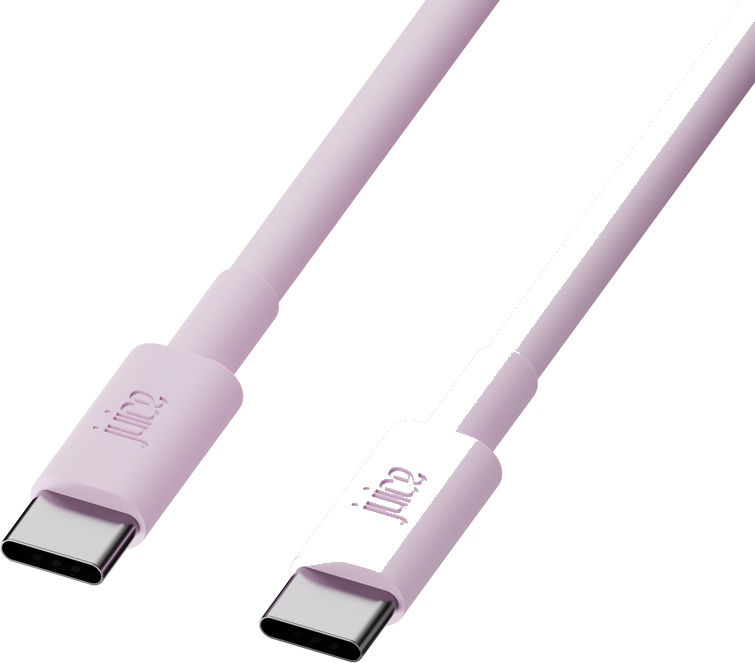
So your charging cable’s damaged, but it still works. There’s no need to replace it… right?
At Juice, we design charging cables to be durable, reliable, and built for everyday use. But even the best cables shouldn’t be used once they’re worn or damaged.
It might seem harmless to keep using a worn or slightly broken cable, especially if it still charges your device. But the reality is, damaged charging cables can pose serious risks—not just to your phone, but to your home and personal safety too.
Once the outer insulation starts to wear away or the connector becomes loose, the cable can no longer regulate power properly. And that’s when problems begin.
Why damaged cables are a hazard
One of the biggest dangers is exposed wiring. If the internal wires become visible, they can spark, overheat, or short circuit, all of which increase the risk of fire. It’s no different to using any other faulty electrical item in your home.
According to the London Fire Brigade, they attend around 24 fires every week caused by chargers, batteries, and cables. That means something as routine as charging your phone can quickly become dangerous if you’re using low-quality or damaged accessories.
Using well-made, durable cables significantly reduces this risk, especially those designed with reinforced materials and built-in safety features.
Can a faulty cable damage your phone?
It’s not just your home at risk, your device is too. A damaged cable can cause inconsistent power delivery, putting strain on your phone’s battery and charging port. Over time, this can lead to slower charging, reduced battery life, and even permanent damage.
High-quality cables, such as the Juice USB Type-C Charging Cable (2m), are designed to deliver stable, regulated power, helping to protect your device and keep it performing as it should.
Are broken charging cables a shock hazard?
There’s also a personal safety risk to consider. If you touch exposed wiring while the cable is plugged in, you could receive an electric shock. While often mild, it can still be dangerous, especially around water or when using higher-powered chargers.
It’s even more of a concern for children and pets, who are more likely to grab, pull, or chew cables without understanding the danger.
Signs it’s time to replace your charging cable
Not all damage is obvious. If you notice any of the following, it’s time for a new cable:
-
Fraying or splitting along the cable
-
Loose or bent connectors
-
Exposed internal wires
-
Intermittent charging
-
Overheating during use
If your cable shows any of these signs, it’s time for a replacement.
Why choosing the right cable matters
Not all charging cables are created equal.
Juice’s range of cables are re-inforced with TPE, meaning they’re built for better durability, safer charging, and a longer lifespan.
Whether you need something for home, travel, or everyday use, choosing a cable that’s made to last helps you avoid the risks that come with cheaper or damaged alternatives.
Browse our full range of cables here and shop now!